 By
By Art has always played a powerful role in shaping societies, challenging norms, and inspiring generations. From painting and sculpture to conceptual installations, artists have not only mirrored the world around them but also changed the way we see it. Throughout history, certain artists have stood out for their innovation, boldness, and enduring influence. These creative visionaries didn’t just make beautiful work—they shifted perspectives and helped define entire eras of culture.
In this article, we take a look at ten of the most iconic artists whose impact has transcended their medium and left a lasting mark on the world.
1. Leonardo da Vinci: The Genius of the Renaissance
Leonardo da Vinci is more than just the artist behind the Mona Lisa and The Last Supper. He was a true Renaissance man—painter, scientist, inventor, and thinker. His art blended technical precision with emotional depth, showcasing a mastery of anatomy, light, and perspective that was centuries ahead of his time. His notebooks reveal a mind deeply curious about the natural world, and his contributions to both art and science remain unmatched. Da Vinci’s legacy continues to influence artists, architects, engineers, and thinkers across the globe.
2. Michelangelo: Sculpting the Divine
Michelangelo’s ability to bring marble to life transformed the way people viewed sculpture forever. His statue of David and the breathtaking frescoes on the ceiling of the Sistine Chapel are masterworks that define the spirit of the High Renaissance. He poured human emotion and divine grandeur into his creations, blurring the line between mortal and godlike beauty. Michelangelo elevated art into an almost spiritual experience, and his influence remains vital in the worlds of sculpture, painting, and architecture.
3. Vincent van Gogh: The Emotion Behind the Brush
Vincent van Gogh lived a turbulent life marked by emotional struggles, yet his paintings radiate raw beauty and intensity. Using bold colors and dynamic brushwork, he transformed everyday subjects into vivid expressions of inner emotion. Though unrecognized in his lifetime, his work gained immense fame posthumously and reshaped modern art. Van Gogh’s expressive style laid the foundation for movements like Expressionism and continues to move viewers with its honesty and passion.
4. Pablo Picasso: The Master of Reinvention
Pablo Picasso revolutionized the art world by constantly pushing boundaries and reinventing his style. From the Blue Period to Cubism, he defied artistic conventions and introduced new ways of seeing reality. Co-creating the Cubist movement with Georges Braque, Picasso fragmented the world into geometric shapes and changed how people understood space and form. His influence spans painting, sculpture, ceramics, and even politics, as seen in his anti-war masterpiece, Guernica. Picasso’s fearless creativity continues to inspire artists to explore the unknown.
5. Frida Kahlo: The Voice of Pain and Identity
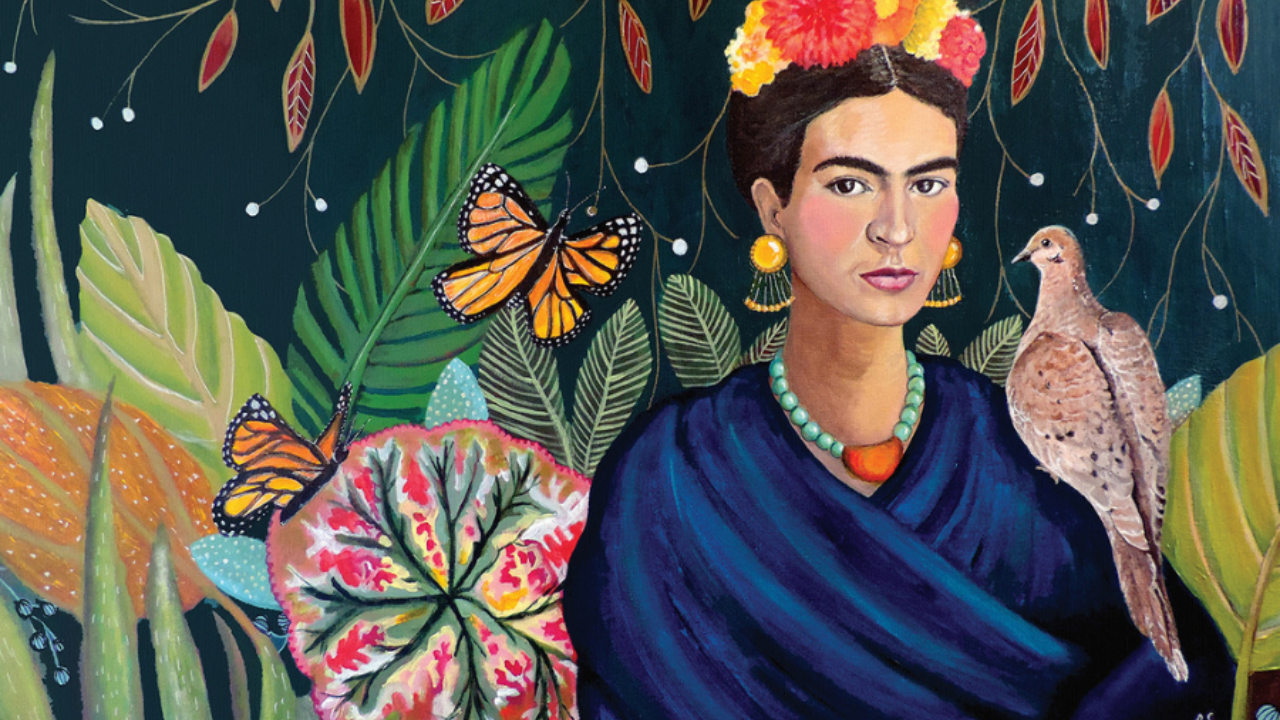
Frida Kahlo’s deeply personal art chronicled her physical suffering, emotional trauma, and powerful identity as a Mexican woman. Her surreal, symbolic paintings explored themes of pain, femininity, and culture in ways that were revolutionary for her time. She defied gender norms and used her work to reclaim her narrative in a male-dominated world. Kahlo became a feminist icon, and her legacy resonates far beyond the canvas, empowering voices of resistance and self-expression globally.
6. Claude Monet: Capturing the Light of Impressionism
Claude Monet was a founding figure of the Impressionist movement, which broke away from the formal styles of academic painting. His focus on light, color, and natural beauty gave rise to a new artistic language that emphasized feeling over precision. Works like Water Lilies and Impression, Sunrise capture fleeting moments with dreamlike softness. Monet’s innovative brushwork and devotion to atmospheric effects paved the way for modern art and inspired countless artists to explore the emotional resonance of nature.
7. Andy Warhol: The King of Pop Art
Andy Warhol blurred the lines between high art and mass culture like no one else. His iconic images of soup cans, celebrities, and consumer products reflected the commercialization of modern life while turning it into something worthy of artistic contemplation. Through his factory-style production and fascination with fame, Warhol redefined the role of the artist and challenged traditional definitions of originality. He became a central figure in pop culture and remains a major influence on contemporary art and design.
8. Georgia O’Keeffe: Painting the Spirit of the American Landscape
Georgia O’Keeffe’s striking images of flowers, bones, and desert landscapes helped shape the identity of American modernism. Her work captured the vastness and mystery of the American Southwest with bold colors and powerful abstraction. O’Keeffe’s unique vision, independence, and ability to convey emotion through minimal forms made her a pioneer for women in art. Her legacy lives on in museums, nature trails, and the many artists she inspired to find their voice through simplicity and solitude.
9. Salvador Dalí: Dreaming in Surrealism
Salvador Dalí brought the world of dreams and the unconscious mind to vivid life through surrealism. With his melting clocks, distorted figures, and eerie landscapes, Dalí created art that challenged logic and reason. His flamboyant personality and unmistakable style made him a global icon. By tapping into Freud’s theories and his own eccentric visions, Dalí opened doors to the imagination and encouraged artists to explore the wild territories of the subconscious. His work continues to fascinate and puzzle art lovers around the world.
10. Banksy: Art as a Weapon of Social Commentary
Banksy is a mysterious and provocative figure whose street art challenges authority, consumerism, and inequality. Emerging from the underground art scene in the UK, Banksy’s work appears suddenly in public places, often making powerful political statements through humor and irony. Despite remaining anonymous, Banksy has gained global fame and turned graffiti into a legitimate and impactful form of protest art. His work speaks directly to the public and proves that art can be both accessible and revolutionary.
Conclusion: The Power of Art to Transform the World
These iconic artists didn’t just create beautiful works—they reshaped how we see ourselves and the world around us. Through brushstrokes, sculptures, installations, and street murals, they gave voice to the human experience in all its complexity. Their influence goes far beyond galleries and museums. They touched politics, culture, psychology, and identity, proving that art is one of the most powerful tools for transformation.
As new artists emerge and continue to break boundaries, the legacy of these trailblazers reminds us that art is not just a reflection of the world—it’s a force that can change it.